Sweet Angel Font: Handwritten Elegance for Web Design
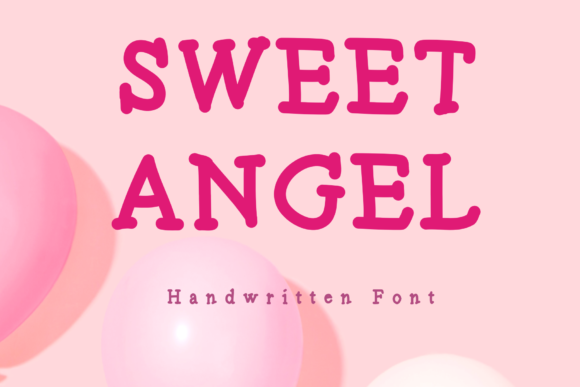
Sweet Angel is a cute and chunky lettered handwritten font that brings warmth and personality to digital design. As a web designer, I appreciate fonts that balance charm with clarity, and Sweet Angel delivers on both. Its soft curves and playful structure make it ideal for creative projects where a human touch matters.
When working with web typography, the right font can transform a layout from generic to memorable. Sweet Angel’s unique character makes it stand out in headers, buttons, and decorative elements without sacrificing readability. It works well in both light and dark themes, adapting smoothly to different background colors and text contrasts.
Visual Characteristics and Digital Appeal
Sweet Angel has a casual, friendly tone that feels approachable yet professional. The letterforms are slightly irregular, giving it a handcrafted feel that adds authenticity to digital content. This makes it perfect for brands aiming to convey creativity, kindness, or personal connection.
The font’s thickness and spacing allow it to scale well across screen sizes, making it suitable for mobile-first designs. Whether you're designing a landing page or a social media graphic, Sweet Angel maintains its visual appeal at various sizes. Its versatility extends to both short phrases and longer headings, offering flexibility for different design needs.
Applications in Web Design and Branding
Sweet Angel excels in hero sections, where bold, eye-catching text sets the tone for a website. For example, a creative portfolio site could use it in the main headline to draw attention and reflect the artist’s style. Similarly, an online store might use it in banners to highlight promotions or seasonal themes.
It also works well in call-to-action buttons, adding a touch of personality without overwhelming the user. In coaching websites or course sales pages, Sweet Angel can be used for headlines that emphasize inspiration and motivation. Its friendly look supports a sense of trust and relatability, which is crucial for conversion-focused layouts.
For blog headers or content sections, Sweet Angel can provide a visually distinct element that breaks up dense blocks of text. Pairing it with a clean sans serif font for body copy creates a balanced contrast that improves readability while maintaining aesthetic appeal.
Readability and Responsive Design Considerations
While Sweet Angel is highly readable on desktop screens, it requires careful consideration when used on smaller devices. Ensuring sufficient line height and spacing helps maintain legibility on mobile. When placing text over images or dark backgrounds, using a lighter weight or adjusting the opacity can enhance visibility without compromising the font’s charm.
In responsive layouts, testing Sweet Angel at different breakpoints ensures it remains clear and functional. For small buttons or icons, using a condensed version of the font (if available) can help maintain clarity without overcrowding the space.
Font Pairing and Design Synergy
Pairing Sweet Angel with a simple sans serif or serif font creates a harmonious balance between decorative and functional typography. A modern sans serif like Roboto or Lato complements its organic shape, making it ideal for body text or subheadings. A serif font like Playfair Display can add elegance for editorial-style content or brand identity work.
For a more traditional look, combining Sweet Angel with a classic serif typeface can create a timeless feel. This pairing works well for boutique stores, luxury brands, or editorial sites that aim for a refined aesthetic.
When selecting font weights and styles, consider the purpose of each element. Sweet Angel’s bold variant is excellent for headlines, while a lighter weight may be better suited for subtle accents or logos. Checking the font’s multilingual support ensures it works across different languages and scripts, which is essential for global audiences.
Commercial Licensing and Practical Use
Before using Sweet Angel in commercial projects, verify the licensing terms. Most premium fonts allow use on websites, client projects, and digital templates, but it's important to confirm the specific rights. For online stores or SaaS platforms, ensuring compliance with font licenses prevents legal issues down the line.
As a digital product creator, I rely on fonts that offer flexibility and reliability. Sweet Angel’s availability as a webfont makes it easy to integrate into CSS, allowing for seamless implementation across different platforms. Including alternate characters or ligatures can further enhance its usability in custom design systems.
Sweet Angel isn’t just a pretty font—it’s a tool that supports effective communication and visual storytelling. Whether you’re building a personal brand, launching a new product, or redesigning a website, this font offers a unique way to express your message with style and substance.