Lovelyhome Font: Elegant Script for Web Design
As a web designer, finding the right typeface can make or break a digital experience. Lovelyhome is a script font that brings a sense of grace and movement to any layout. Its flowing strokes and refined curves make it ideal for headers, logos, and decorative elements where visual appeal matters most.
Designed as part of the Script Amp collection, Lovelyhome combines traditional calligraphy with modern digital adaptability. It’s not just a pretty font—it’s a tool that enhances readability while maintaining a strong brand presence. Whether you’re building a portfolio site or launching an online store, this font offers a unique way to express your design vision.
Visual Characteristics and Digital Appeal
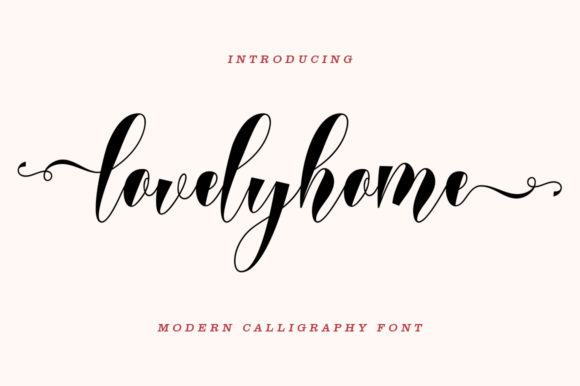
Lovelyhome has a soft, handwritten aesthetic that feels personal and approachable. Its characters flow smoothly, creating a sense of motion that draws the eye across the page. The font works well in both light and dark themes, making it versatile for different design contexts.
The font’s personality leans toward elegance and sophistication. It’s perfect for brands that want to convey a sense of warmth and creativity without sacrificing professionalism. From wedding invitations to digital ads, Lovelyhome adds a touch of refinement that stands out in a sea of generic fonts.
Applications in Web Design
In web design, Lovelyhome shines in headings, banners, and CTA buttons. Its legibility at larger sizes makes it a strong choice for hero sections and landing pages. When used in short phrases, it maintains clarity while adding a stylish flair.
For creative portfolios, this font can be used to highlight project titles or taglines. In an online boutique, it works well for product names or promotional banners. On a coaching website, it can frame key messages in a way that feels inviting and trustworthy.
When designing for mobile screens, it’s important to ensure that Lovelyhome remains readable. At smaller sizes, the font may lose some detail, so it’s best to use it for headlines rather than body text. Pairing it with a clean sans serif font can help maintain balance and contrast.
Brand Tone and Visual Hierarchy
Typography plays a crucial role in shaping a brand’s tone. Lovelyhome contributes to a more personal and artistic identity, which can be especially effective for lifestyle brands, creative agencies, or boutique businesses. Its presence on a website signals attention to detail and a commitment to quality.
In terms of visual hierarchy, the font excels as a headline or accent element. It helps guide users through content by drawing attention to key points. However, overusing it can dilute its impact, so it’s best reserved for strategic placements like logos, section titles, and CTA buttons.
Readability and User Engagement
Readability is a top priority in web design, and Lovelyhome performs well in this regard. Its open letterforms and consistent stroke widths make it easy to scan, even at smaller sizes. This makes it suitable for buttons, icons, and other interactive elements where clarity is essential.
On dark backgrounds, the font retains its sharpness and contrast, making it a good choice for dark mode designs. On light backgrounds, it provides a warm, inviting feel that complements modern UIs. When used over images or gradients, it still holds up well, provided there’s enough contrast.
Font Pairing and Design Balance
Pairing Lovelyhome with other fonts can create a dynamic and cohesive design. A common approach is to pair it with a simple sans serif for body text, allowing the script font to stand out as a focal point. This combination works well for blogs, landing pages, and e-commerce sites.
For editorial-style designs, pairing Lovelyhome with a serif font can add depth and character. This is particularly effective for content-heavy websites or magazine-style layouts. The contrast between the two fonts enhances readability while maintaining visual interest.
Practical Considerations for Web Use
Before using Lovelyhome in a project, check the available styles and file formats. Most web fonts come in multiple weights and variants, which can be useful for different design needs. Ensure that the font supports the languages your audience uses, especially if your site serves a global market.
When it comes to commercial licensing, make sure you have the proper rights to use the font on websites, client projects, or online stores. Many premium fonts require a separate license for web use, so always verify the terms before integrating them into your design.
Real-World Examples and Use Cases
Imagine using Lovelyhome for a creative portfolio site. A heading like “Creative Work by [Your Name]” in this font would immediately set a professional yet artistic tone. For an online store, it could appear in product titles or promotional banners, adding a personalized touch to each item.
On a course sales page, a CTA button like “Enroll Now” in Lovelyhome could catch the eye and encourage action. For a blog header, it can frame the title in a way that feels engaging and visually appealing. These examples show how the font can be adapted to different digital experiences.
Conclusion
Lovelyhome is a versatile and elegant script font that can elevate a wide range of web designs. Its flowing style and refined look make it ideal for headers, logos, and decorative accents. By understanding its strengths and limitations, designers can use it effectively to enhance visual hierarchy, brand tone, and user engagement.
Whether you're working on a personal project or a client's website, Lovelyhome offers a fresh and stylish option for digital typography. With careful pairing and thoughtful application, it can become a powerful tool in your design toolkit.